

Generating your own energy instead of just consuming it – that's exactly what a balcony power plant makes possible. Whether for everyday life, the environment, or your wallet: mini solar systems deliver real added value for renters and homeowners. But one of the most frequently asked questions is: What can I actually power with a balcony power plant? Today, we'll get to the bottom of this question with practical examples, consumption figures, and tips on how to get the most out of your solar power.
What is a balcony power plant? The basics in 60 seconds.
A balcony power plant is a small, compact photovoltaic system , typically consisting of several solar panels , an inverter , and a connection cable for a wall socket . You can install it yourself without extensive renovations or an electrician; simply plug it into a wall socket and supply your home's electrical system with self-generated solar power. That's why they're also called plug-in solar devices or mini solar systems. This energy saving allows you to reduce your energy costs and power some appliances independently.
What distinguishes a mini-PV system from large solar power systems?
Unlike traditional rooftop photovoltaic systems , mini-PV systems are smaller and generate Less power consumption – usually a maximum of 600 to 800 watts . They are specifically designed for self-consumption in rented apartments, on balconies, terraces, or garden sheds. Installation is simple, the purchase costs are low, and you don't need much effort to get started.

Why exactly 600 to 800 watts?
The power output is not chosen arbitrarily: In Germany, the current upper limit for balcony power plants is 800 watts (inverter power). This limit is intended to allow for uncomplicated operation – without registration with the grid operator or electrician, provided a digital meter is installed.
The first solar package raised the power limit for balcony power plants to a maximum of 800 watts – meaning you can generate more electricity yourself, without bureaucratic hurdles or complicated registration. This makes it significantly easier and more attractive, especially for renters.
Electricity yield in everyday life: How much energy does a balcony power plant provide?
Electricity production depends on many factors: location, orientation , tilt angle, shading and hours of sunshine.
Typical performance depending on location and orientation
A plug-in solar power system with two PV modules (e.g., 2 x 400 watts) generates an average of between 500 and 800 kWh of solar power per year in Germany. Output is often higher in southern Germany and slightly lower in northern Germany. However, the system's performance also depends on the supplier and can vary.
Solar energy production varies throughout the day and year. It is highest at midday and lowest in the morning and evening. Therefore, most solar power is generated during the day – precisely when you can consciously operate devices.

And now to the crucial question:
What exactly can you do with a balcony power plant in everyday life? After all, you want to know if the investment is really worthwhile – and how much of your typical electricity consumption you can cover with it.
To answer that, let's first look at two important aspects:
- The so-called base load of your household
- The flexibly operable devices throughout the day
Base load: What draws power continuously – and how long you can cover it.
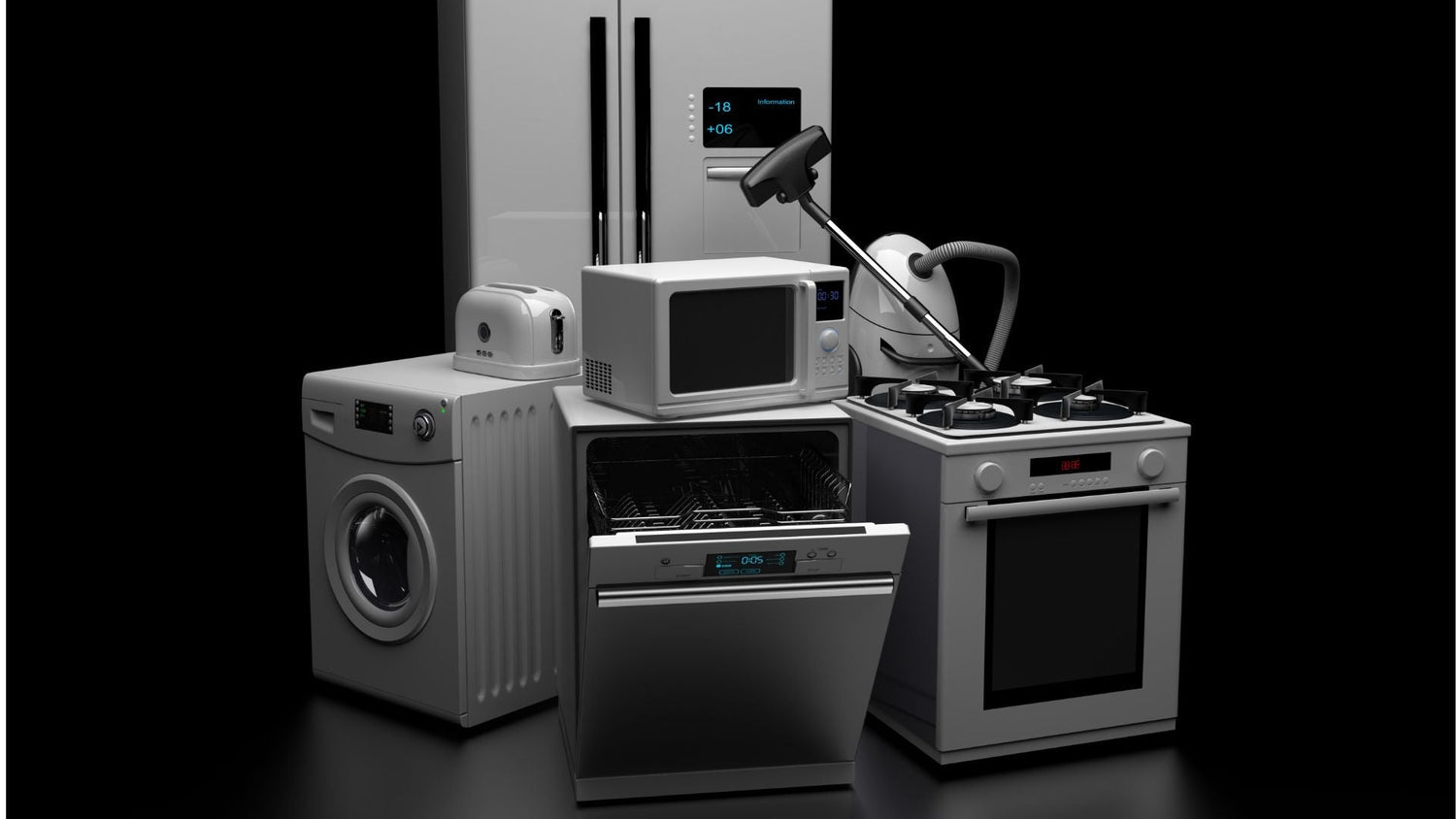
The base load of your household consists of devices that run continuously or regularly. Here are typical examples of devices that run continuously:
|
Device |
consumption |
Daily requirement |
Cover with 800 W |
|---|---|---|---|
|
Wi-Fi router |
10 W |
240 Wh |
✅ Complete (even in winter) |
|
Refrigerator |
60 W Ø |
600 Wh |
✅ Complete (Spring–Autumn) |
|
telephone system |
10 W |
240 Wh |
✅ Complete |
|
Smart home hub |
15 W |
360 Wh |
✅ Complete |
|
Chargers in standby mode |
10–20 W |
200 Wh |
✅ Complete |
👉 With a peak output of approximately 800 watts, a balcony power plant generates about 3–4 kWh per day in spring/summer (southern Germany, optimal orientation). This easily covers your entire base load for 24 hours , even when you're not at home .
Daytime power consumers: What else you can run during the day – and for how long
Many devices only work when you turn them on – ideally at midday in full sun .
|
Device |
consumption |
Usage time per day |
Coverage by solar power |
|---|---|---|---|
|
laptop |
60 W |
4 h = 240 Wh |
✅ Complete, even with base load |
|
(LED) television |
100 W |
2 h = 200 Wh |
✅ fully exposed to sunlight |
|
Washing machine (Eco) |
300 W |
1.5 h = 450 Wh |
✅ 1 cycle/day in the sun |
|
Dishwasher (Economy) |
400 W |
1.5 h = 600 Wh |
✅ possible if little else is going on |
|
Robot vacuum cleaner (store) |
40 W |
2 h = 80 Wh |
✅ no problems |
|
charging smartphone |
10 W |
2 h = 20 Wh |
✅ anytime |
🧠 Tip: Use a smart plug with timer or app to automatically run power-hungry devices when your balcony power plant is producing a lot of energy (e.g., start the washing machine at 12 noon).
Example: You can operate this combination simultaneously – and for how long
Imagine your balcony power plant delivers 800 watts of power in optimal weather (e.g., 12–3 pm in summer). During this time you can:
Combination 1 – Office & Entertainment (3 hours of operation)
- Laptop (60 W)
- Monitor (30 W)
- Wi-Fi router (10 W)
- LED lamp (10 W)
- Mobile phone charger (10 W)
✅ Total runtime at 800 W: all devices can be used simultaneously for 3–4 hours without any problems
Combination 2 – Washing machine & base load
- Washing machine (300 W average, fluctuations)
- Refrigerator (60 W)
- Router (10 W)
✅ Total runtime: 1 wash cycle (1.5 h) plus simultaneous base load coverage
Combination 3 – Dishwasher & Streaming
- Dishwasher (400 W Ø)
- Television (100 W)
- Router (10 W)
- Sound system (50 W)
✅ Runtime: 2 hours of combined use is realistic in direct sunlight
"One more note: Your balcony power plant will normally simply relieve you of some of the burden and reduce your reliance on the public grid. All the examples above are based on the scenario of a mini PV system operating solely on your electricity needs, to illustrate the potential for reducing your grid consumption. If your peak consumption times differ from your system's peak production times, consider a storage option. (See below) "
📉 What happens in bad weather?
On cloudy days or in winter, your balcony power plant only generates 10–40% of its maximum output . Then you can:
- In winter , it usually only covers the base load (router, refrigerator, etc.).
- During continuous rain, there might not be enough power for the washing machine or dishwasher , unless they are run during particularly bright times.

Important: Even on "grey days", the system always produces some electricity that you can use – often enough for routers, refrigerators, etc.
Surplus electricity: What happens if you don't use it all?
If the electricity isn't used immediately in the household , it automatically flows into the public grid – without compensation. To avoid this, it's important to adjust your consumption habits . Alternatively, you can use a small storage system or smart appliances that activate automatically when there's enough electricity available.
Bonus: Use with storage

An additional small storage unit (e.g. with 1 to 2 kWh capacity ) can make your balcony power plant even more efficient – especially if you are not at home much during the day and want to use the generated solar power in the evening .
How does that work?
The battery is charged during the day with surplus electricity that isn't immediately used in the household. This electricity is then available to you in the evening or early morning hours – precisely when you switch on lights, cook, or stream content.
This increases your self-consumption rate enormously – from the typical 30–40% to up to 85% !
When is storage particularly advantageous?
Storage is particularly worthwhile if:
- 🔄 Your daily routine deviates significantly from the sun's path
For example, are you in the office during the day and only use electricity in the evening?
→ Without storage, a lot of solar power remains unused.
- 🌙 You use many devices in the evening
Television, lights, kitchen, music, maybe even charging an e-bike – you can cover all of that with stored electricity.
- ⚡ You have a high base load, but also generate peak consumption in the evenings
→ The storage system cushions these peaks that you would otherwise draw from the grid.
- 💡 If you want to further optimize your electricity consumption
Consuming and storing energy consciously makes one more independent from the public grid. The so-called zero feed-in is a popular goal in this regard.
Typical storage sizes – what makes sense?
Small storage solutions are sufficient for balcony power plants – you don't need a huge system like with rooftop installations. The following are recommended:
- 🔋 0.5–1 kWh storage → Ideal for single or 2-person households
- 🔋 1–2 kWh storage → If you use many devices or consume a lot of electricity in the evenings
Important: The size of your storage system should match your daily electricity generation AND your consumption habits – bigger is not automatically better.
What are the specific benefits of a storage system?
A real-world example:
Your balcony power plant generates 3.5 kWh of solar power on a sunny day. You use 2 kWh directly during the day (base load + washing machine), leaving 1.5 kWh unused .
- ➡️ Without storage: These 1.5 kWh may flow into the public grid – you get nothing from them and simply give away the electricity you produced.
- ➡️ With storage: You use the 1.5 kWh in the evening , e.g. for TV, light, cooking – and thus reduce your grid consumption.
Are there any disadvantages?
Of course, you should weigh the options:
- Additional acquisition costs (from approx. €500–1,500 depending on size)
- Space requirements (storage must be installed in a weatherproof location)
- Amortization takes longer – compared to a simple balcony power plant.
However, the higher your electricity price and the more you optimize your self-consumption , the faster the storage system will pay for itself.
How to use your solar power efficiently – 3 simple practical tips
1. Direct consumption instead of feed-in
As mentioned, a balcony power plant feeds its electricity into the home's electrical grid first – meaning the electricity is used immediately when a device is running. Only when no device is drawing power does the energy flow into the public grid. You don't receive any compensation for this, so it's particularly worthwhile to maximize your self-consumption during the peak output of your mini solar system and thus...
2. Consciously use electricity during the day
Try to run appliances like dishwashers, washing machines, or chargers during the day – ideally in sunlight . This way you actively lower your electricity bill without sacrificing comfort.
3. Adjust usage times and avoid standby mode
Set electronic devices to switch off when not in use. Every watt counts – especially with devices in standby mode . Use timers or smart plugs to optimize your energy consumption.
So it's a worthwhile endeavor.
Even though 600 or 800 watts might seem like a small amount at first glance, you can power a surprising number of household appliances with a balcony solar system – from the refrigerator and router to larger devices like dishwashers and washing machines. If you know your electricity consumption and plan wisely, you can noticeably save money with a balcony power plant – every single day. You can optimize your electricity costs even further with an additional storage unit. And let's be honest, there's also a bit of a sense of satisfaction involved in actively participating in the energy transition and generating your own electricity.
FAQ: Frequently asked questions about using a balcony power plant
Can I power my entire house with a balcony power plant?
No, that's not possible. Balcony power plants are meant to supplement, not completely supply, your electricity needs. They relieve the burden on your household's base load and effectively reduce your electricity costs.
What happens when there is a surplus of electricity?
Excess electricity flows into the grid but is not compensated. The goal is therefore to consume as much of the generated solar power as possible on-site.
Do I need to consider the public network?
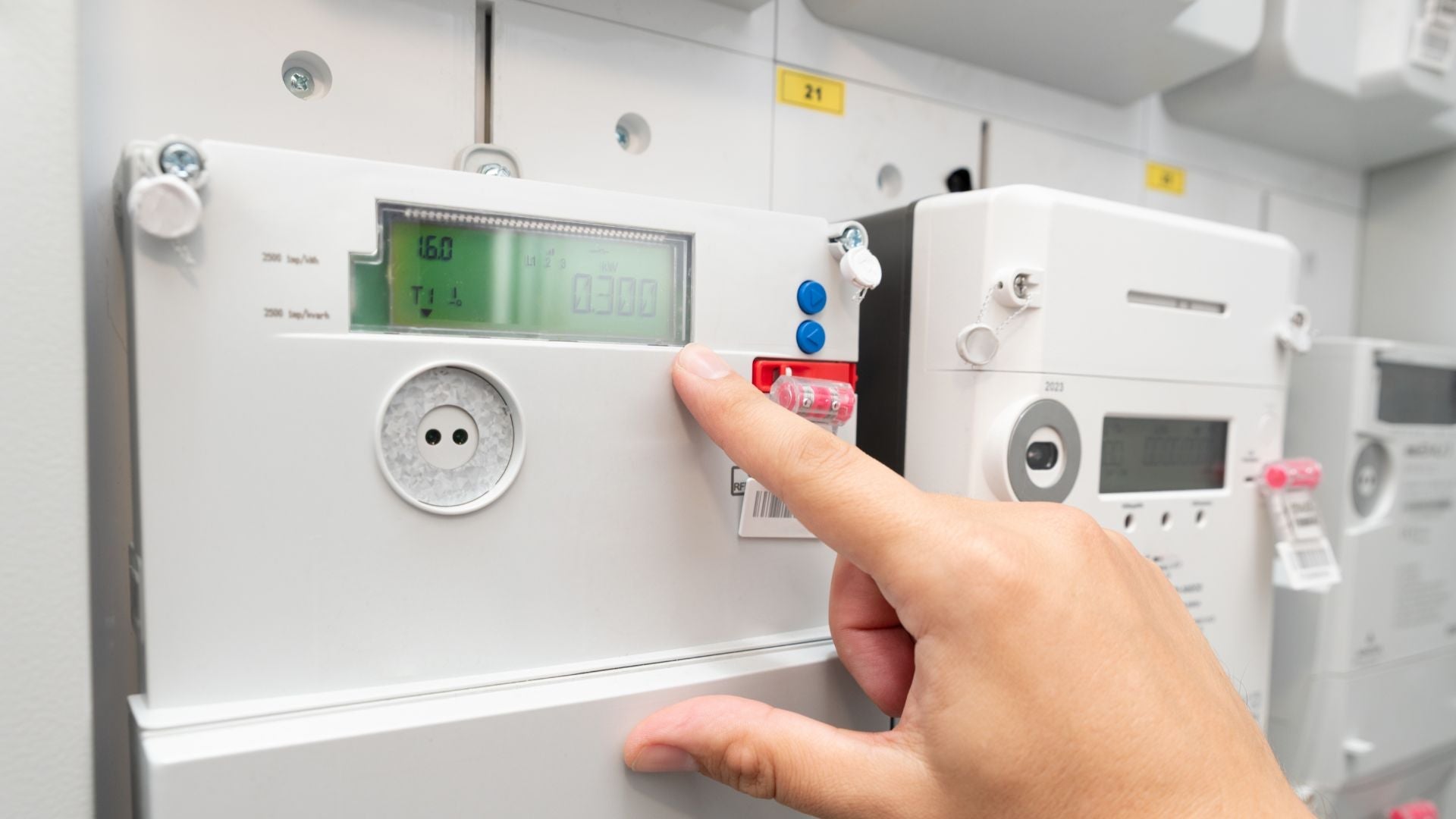
Yes – your balcony power plant automatically feeds electricity into the public grid when there is no consumption. Modern digital meters or so-called bidirectional meters (for feed-in tariffs ) are mandatory.
Is a balcony power plant worthwhile for tenants and households?
Absolutely! Especially renters who don't have access to their own roof benefit enormously. A balcony power plant not only lowers your electricity costs but also your CO₂ emissions – and all this with comparatively low purchase costs . The system pays for itself after just a few years.
Do I need special sockets for a plug-in solar system like this?
Not necessarily. Most balcony power plants can be operated via a standard Schuko socket (protective contact) – these are found in almost every household and are standard in Germany. It's important that the connection is safe and complies with standards . For even greater safety, many electricians recommend a special Wieland socket . It offers a locking connection and is preferred for permanent installations, but it's not mandatory .


Leave a comment
This site is protected by hCaptcha and the hCaptcha Privacy Policy and Terms of Service apply.