

Since the rise of renewable energies, balcony power plants have become a common feature in many households. These mini solar systems can be used to reduce your own electricity consumption from the public grid and lower your energy costs. Today's storage solutions are technically advanced and can be beneficial to the user in various ways. One of these is...
The zero feed-in
Zero feed-in describes an operating mode for a balcony power plant in which the generated solar power is not fed into the public grid, but is consumed entirely within the household or stored. Normally, a PV system feeds excess electricity into the grid, which, however, involves registration requirements, legal obligations, and potential compensation or losses.
An intelligent storage solution and appropriate energy management can prevent excess power from being fed back into the grid. A special inverter or a smart meter ensures that only as much electricity is produced as is currently needed, or that excess electricity is temporarily stored in a battery storage system, such as our bidirectional home storage system , for later use.
Without storage, unused electricity would flow into the grid, or electricity production would be throttled , while electricity would be drawn from the public grid in the evening. The combination of a storage solution and zero feed-in ensures a certain level of efficiency in the use of one's own solar energy.

This is how a balcony power plant with storage and zero feed-in works.
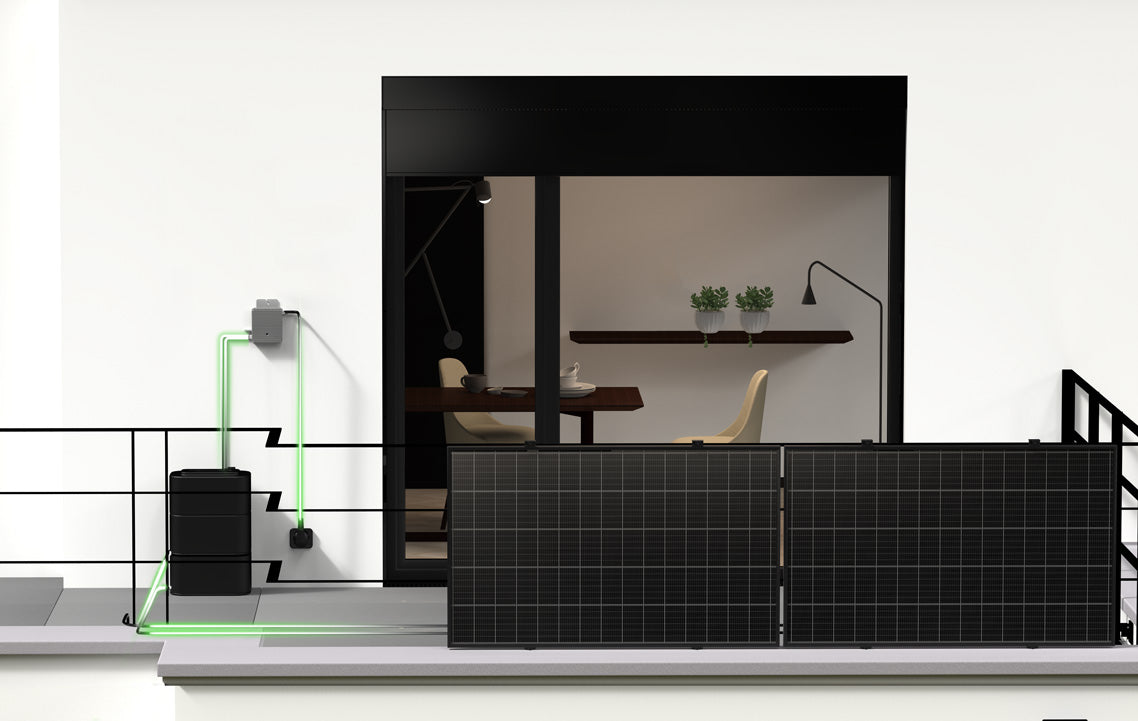
The combination of solar panels , a battery storage system , and intelligent energy management enables the effective use of self-generated electricity. The generated solar power is either consumed immediately or stored for later use.
The process begins with the solar panels, which convert solar energy into electrical energy during sunlight exposure. This is then converted into standard household alternating current via an inverter, so that it can be used directly by electrical devices.
At the same time, an intelligent energy management system monitors the current electricity demand in the household. If more electricity is generated than is currently needed, the excess energy can be temporarily stored in a battery storage system.
The battery storage system acts as a buffer, storing energy for times when little or no solar energy is generated – for example, in the evenings or on cloudy days. Once the battery is full, the excess electricity is not fed into the public grid; instead, the inverter automatically reduces power production to ensure zero feed-in.
When household electricity demand increases – for example, when several devices are used simultaneously or the sun isn't shining – the system releases stored electricity from the battery. This reduces the amount of electricity drawn from the grid and optimizes self-consumption.
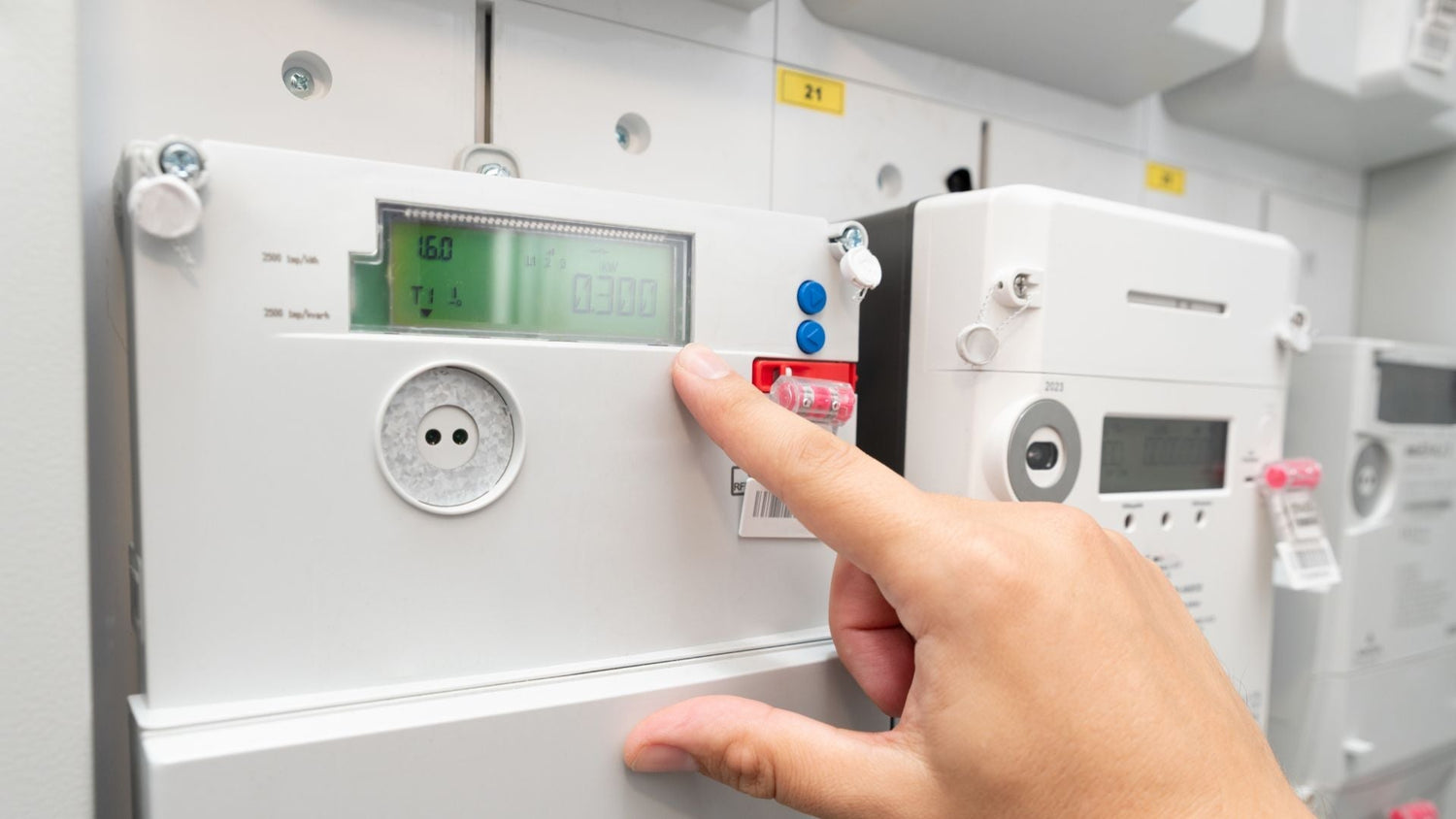
Additionally, a smart meter can contribute to detailed monitoring of electricity flow and further improve energy management. This ensures that the available energy is used efficiently. Solar power is used efficiently and in a cost-optimized manner.
The throttling by the inverter and why this can be inefficient.
A balcony solar power system with zero feed-in requires a suitable inverter, for example with a power output of 800 watts, which prevents excess electricity from being fed into the public grid. The inverter doesn't work with a simple blockage, but rather with intelligent throttling of electricity production: If your household consumes little electricity, the inverter automatically reduces its output so that only as much solar power is generated as you are currently using.
The disadvantage of this simple throttling, however, is that valuable solar energy goes unused: For example, if the sun is shining brightly and your electricity demand is low, the 800-watt inverter drastically reduces its output. As a result, your system produces significantly less electricity than it could, thus wasting potential energy.
To avoid this waste, it's recommended to supplement your balcony power plant with a suitable battery storage system. This way, excess electricity isn't left unused, but efficiently stored and used later. This not only allows you to achieve true zero feed-in to the grid, but also to make the best possible use of the capacity of your system and your 800-watt inverter.
The advantages of zero feed-in
The Zero feed-in is becoming increasingly important, especially for balcony power plants, as many users want to consume the generated solar power directly themselves instead of feeding it into the grid. This method has several advantages over traditional feed-in and other methods:
1. Maximum use of your own solar power
A balcony power plant with storage and zero feed-in ensures that the self-generated electricity is used as efficiently as possible. This means:
-
Direct consumption during the day: During periods of sunshine, the solar power produced is immediately used by household appliances.
-
Storage for the evening: Excess electricity is stored in a battery storage system and is available later.
-
Optimizing self-consumption: Intelligent energy management allows electricity consumption to be controlled in a targeted manner in order to make the best possible use of solar power in one's own home network.
2. Greater independence from the energy supplier
The less electricity is drawn from the grid, the less dependent one is on rising electricity prices. A balcony power plant with storage can reduce energy costs in the long term.
3. Environmentally friendly & sustainable electricity consumption
Zero feed-in maximizes the self-consumption of self-generated solar power, thereby reducing the need for energy from conventional power plants. This lowers CO₂ emissions and actively supports the energy transition.
Our bidirectional home storage system - The modern storage solution
New storage systems , like ours, are making net-zero feed-in increasingly efficient. They store the generated solar power and release it to the household only when needed. Our bidirectional home storage system is modularly expandable and can therefore be adjusted in terms of storage capacity.
Use the dynamic electricity tariff with Moe even without a balcony power plant.
No room for solar panels, but still want to use affordable and green electricity? With MOE, it's easy: Simply plug the storage unit into any standard electrical outlet in your home and charge it using a dynamic electricity tariff when prices are low. When prices rise, you can draw on your stored electricity and save money without compromising on sustainability.

What technical requirements are necessary for zero feed-in?
A balcony power plant with zero feed-in requires specific components to ensure that no electricity is fed into the grid. A zero-feed-in inverter is essential, as it distributes the generated energy only internally. A smart meter can help optimize self-consumption by measuring and regulating the electricity flow.
What potential savings does a balcony power plant with zero feed-in offer?
Optimizing the use of self-generated electricity can lead to significant long-term savings on electricity costs. Households with high self-consumption particularly benefit, as they can cover a large portion of their energy needs directly with self-produced electricity.
Balcony power plant with storage: What does it cost and when is it worthwhile?
The cost of a balcony power plant with storage varies depending on its output and storage capacity. While a simple system (225 watts) is available from around 300 euros, systems with larger storage capacities can cost more than 1,000 euros.
Payback period of a balcony power plant with storage: Calculation examples
Generally speaking, depending on electricity consumption and storage capacity, a balcony power plant with storage pays for itself within 6 to 10 years. The exact timeframe depends on individual consumption habits.
We at MOE offer a faster alternative. In our example calculation, a balcony power plant with a storage system pays for itself in just 4.7–5.4 years.

Frequently Asked Questions
Does a balcony power plant with zero feed-in require registration?
According to the first solar package, a balcony power plant only needs to be registered in the market master data register. Registration with the grid operator is no longer required and is done automatically.
Retrofitting a balcony power plant with storage: Is that possible?
Yes, existing balcony power plants can be retrofitted with acompatible electricity storage system to optimize self-consumption and ensure zero feed-in.

Leave a comment
This site is protected by hCaptcha and the hCaptcha Privacy Policy and Terms of Service apply.