
The efficiency of solar panels depends significantly on their tilt angle. An optimal tilt angle allows the panels to capture the sun's rays as effectively as possible, thus maximizing energy yield. In Germany, the ideal tilt angle for photovoltaic systems lies between 30° and 40°, depending on the geographical location and the roof's orientation.
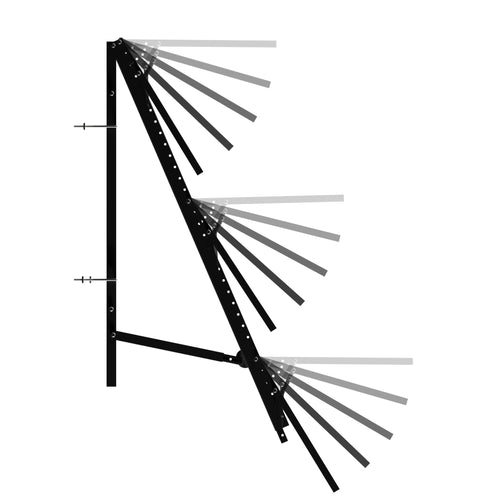
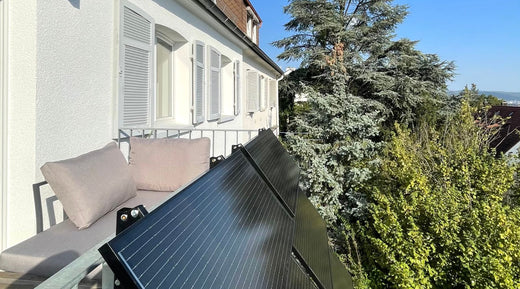
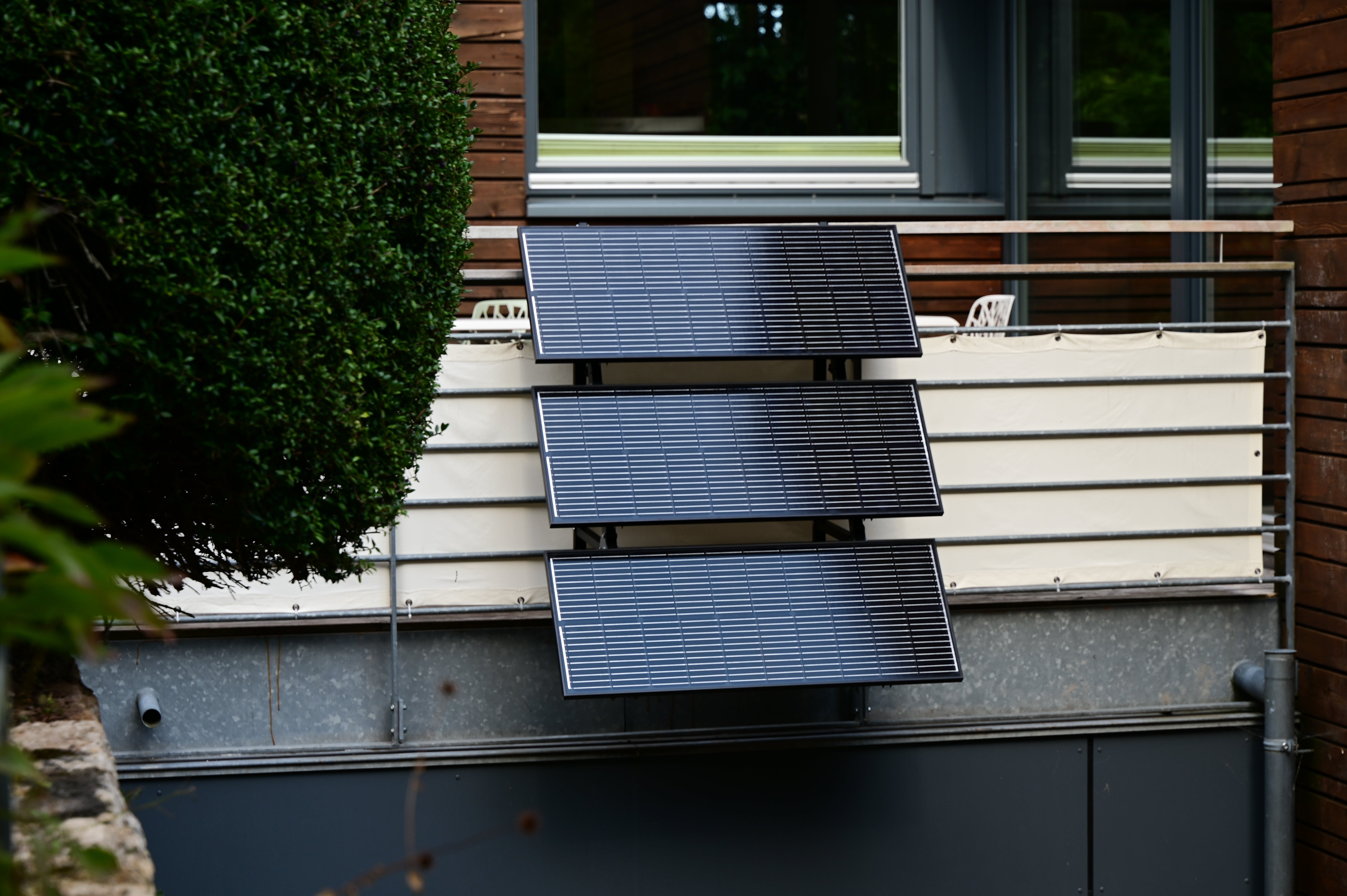
Conventional balcony solar panels often use fixed tilt angles that don't optimally utilize all hours of sunlight. This leads to suboptimal light absorption and therefore lower electricity production. MoeCell addresses this issue with its innovative dual tilt angle. Both the system itself and the individual panels can be adjusted to optimize the angle of incidence of the light. This design enables the production of up to 45% more electricity than traditional, hanging panels.
The flexibility of the MoeCell system allows the panels to be optimally aligned depending on the sun's position and the time of year. This is particularly advantageous on balconies, where space and orientation options are often limited. The adaptability of the dual tilt angle significantly increases energy yield, leading to more efficient use of available solar energy.
In summary, the MoeCell's dual tilt angle offers a decisive advantage over conventional solar panels. The ability to flexibly adjust the tilt angle maximizes power production and significantly increases the efficiency of the solar system. For anyone wanting to generate sustainable energy on their balcony, MoeCell is therefore an ideal solution.
Read more information on the topic here: Balcony power plant orientation

Leave a comment
This site is protected by hCaptcha and the hCaptcha Privacy Policy and Terms of Service apply.