

Balcony power plant - the energy bundle for the socket
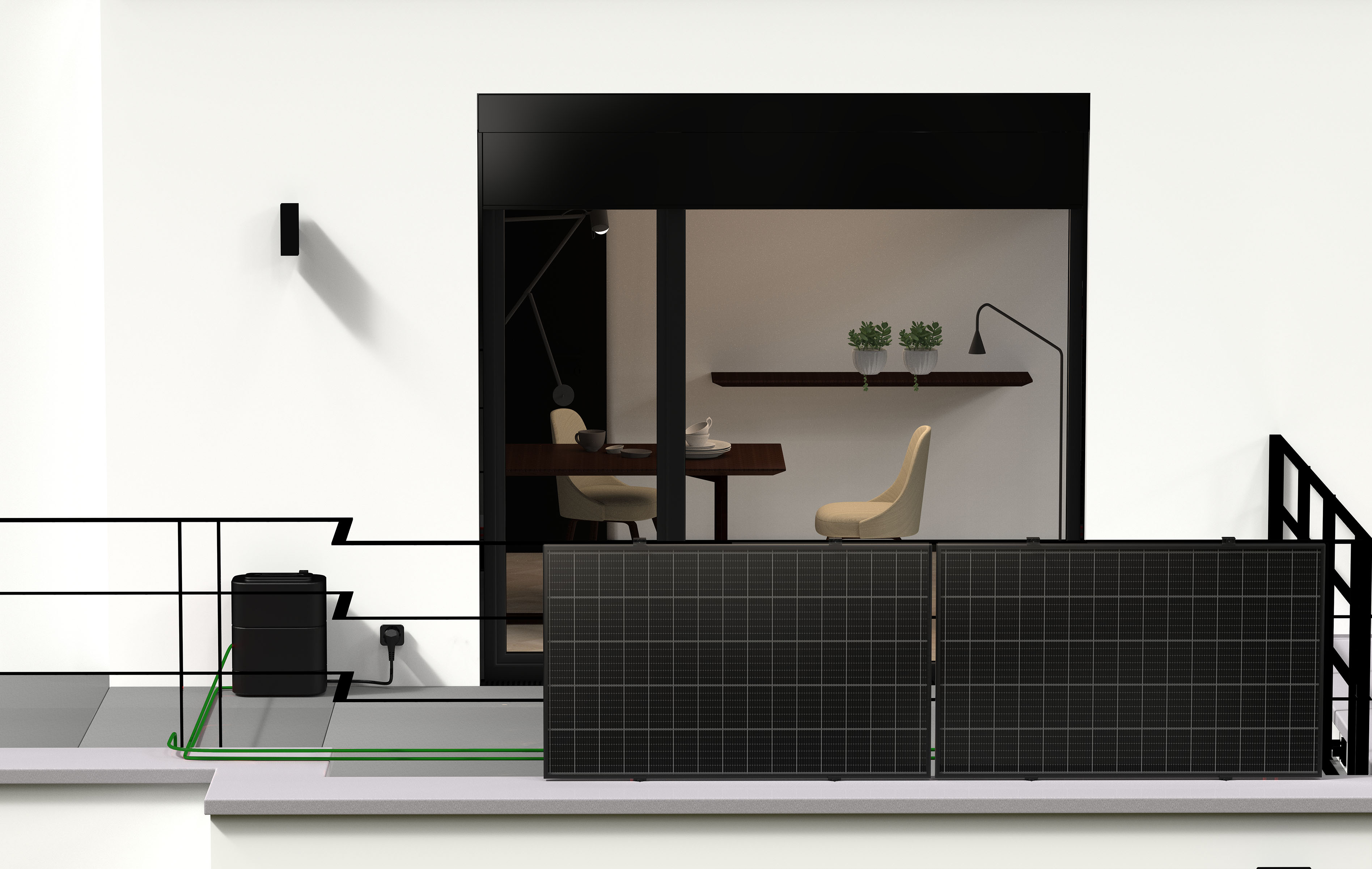
A balcony power plant is a compact mini-photovoltaic system that allows you to feed your own solar power directly into your home's electrical grid via a standard electrical outlet. It can supply you with electricity and even feed some back into the grid.
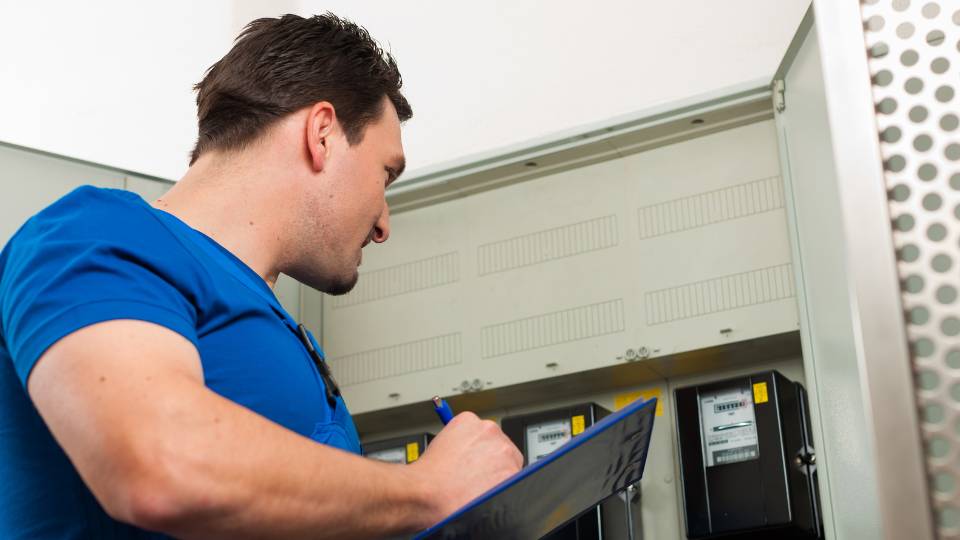
But nothing works without a proper electricity meter.
A suitable electricity meter is essential for accurately recording the electricity generated and consumed. Operating a balcony power plant therefore requires not only registration with the market master data register , but also the use of the correct electricity meter. Using an unsuitable meter can lead to incorrect billing and even legal consequences. Electricity supply in Germany is subject to certain regulations, including the types of electricity meters you are permitted to use for your mini photovoltaic system.
Overview of types of electricity meters
Analog electricity meters (Ferraris meters)

A Ferraris meter is an old, mechanical electricity meter that measures energy consumption using a rotating aluminum disc. These meters were commonly used in households for a long time, but are no longer permitted for operating a balcony power plant unless they have a backstop. Without such a backstop, the meter could run backward as soon as electricity flows into the solar panels. Feeding electricity into the grid is not permitted. If you still have such an analog electricity meter without a backstop , a meter replacement is necessary .
Transitional arrangement for Ferraris counters that run backwards
According to current legal regulations, since the Solar Package 1 came into force in May 2024, Ferraris meters without a backstop may continue to be operated temporarily, even if they run backwards.
This transitional arrangement allows operators of balcony power plants to put their systems into operation immediately without having to wait for the meter to be replaced. The grid operator is obligated to replace the old meter with a suitable bidirectional meter or a smart meter within four months of the balcony power plant being commissioned.
Digital electricity meters

Digital electricity meters record electricity consumption electronically and offer more precise measurement than analog Ferraris meters . They are often referred to as modern metering devices and are now installed in many households. These meters are generally suitable for balcony power plants, but only if they have a backstop. Without this backstop, they are not suitable. not allowed, as this could otherwise enable an impermissible billing of the energy generated.
Smart metering systems

Smart meters are digital electricity meters with additional communication functions. They are connected to a smart meter gateway , which enables the automatic transmission of consumption data to the grid operator or metering point operator . This significantly simplifies the monitoring of electricity consumption and feed-in from balcony power plants. Smart meters are already mandatory in some households, especially those with high electricity consumption or large PV systems. However, they are not strictly required for smaller mini-solar systems or balcony power plants.
Bidirectional meters and net bidirectional meters
A bidirectional meter is an electricity meter for two-way measurement, which measures both the Both the feed-in of electricity into the grid and the consumption from the grid are recorded separately. This is particularly relevant for operators of balcony power plants, as it accurately documents how much electricity was fed into the grid and how much was drawn from it.

A net-balanced bidirectional meter, however, goes a step further. It automatically balances the electricity generated and consumed between the individual phases. This means that the household's total electricity consumption is offset against the energy fed into the grid, which is particularly advantageous for households with balcony power plants, as it leads to optimized use of self-generated electricity.
Allowed? Yes, both types of meters are permitted for the operation of a balcony power plant and are recommended or required by many network operators.
When are bidirectional meters required?
If your When a balcony power plant feeds electricity into the grid, a bidirectional meter is often required to record electricity generation and consumption separately.
But which counter is right for you?
This depends on how you want to use your balcony power plant. The following scenarios are possible.
1. You want to consume most of the electricity yourself (no targeted feed-in to the grid)
Recommended counter:
- ✅ Modern metering device (digital meter with backstop)
- ✅ Alternatively: Smart meter (if already installed or required)
Why?
- Prevents reverse measurements that could lead to billing errors.
- It is sufficient if the generated electricity is mainly used on-site.
2. You regularly feed electricity into the grid.
Recommended counter:
- ✅ Bidirectional meter
- ✅ Better: Bidirectional meter (netting meter)
Why?
- Bidirectional meter: Records electricity consumption from the grid and feed-in to the grid separately.
- Balancing bidirectional meter: Even more efficient, as it balances phases against each other. This means that excess electricity is first used within the household before being fed into the grid.
3. You still have an old analog Ferraris counter without a backstop.
Recommended action:
- ⚠ Must be replaced! If the network operator has not yet replaced it, request it immediately.
Transitional arrangement:
- Since May 2024 (Solar Package 1), a transitional arrangement has been in place, allowing such meters to continue operating temporarily.
- However, the network operator must replace the meter within four months of the balcony power plant being put into operation.
4. You want detailed monitoring and smart features.
Recommended counter:
- ✅ Smart Meter (intelligent metering system with communication interface)
Why?
- Automatic consumption and feed-in data in an app or web platform.
- Especially for tech enthusiasts or users who want to precisely track their consumption and production.

Also consider the impact of an unsuitable meter on billing and legal consequences.
As mentioned above, an electricity meter with a backstop is mandatory. Operating your mini-PV system with a meter without a backstop can lead to legal problems. Therefore, if you operate your mini solar system with an unauthorized electricity meter, you could face serious difficulties.
Possible legal consequences:
- Fines: According to Section 52 of the Renewable Energy Sources Act (EEG), operators who fail to register their plant or operate a non-compliant plant may be required to pay a fine to the grid operator. This fine can amount to up to ten euros per month per kilowatt of installed capacity. For a plant with an 800-watt capacity, this would be, for example, eight euros per month or 96 euros per year.
- Loss of insurance coverage: If damage occurs due to an unregistered or non-compliant mini solar system, insurance coverage may be voided. Household contents, liability, or building insurance policies could refuse to settle such claims, depending on the specific policy terms.
- Criminal consequences: In serious cases, operating a balcony power plant with an unauthorized electricity meter can be classified as fraud, which can lead to criminal consequences such as fines or imprisonment.
How can I tell if my current meter is suitable?
A Ferraris meter without a backstop can be identified by a few simple characteristics. Firstly, these meters have no visible symbol or marking indicating a backstop. A clear indicator is the meter's behavior: if the disc rotates backward as soon as electricity from your mini-photovoltaic system is fed into the grid, it is a meter without a backstop.
Additionally, you can check whether your meter is a modern metering device or a smart meter – these usually have a backstop. If you are unsure, check the meter's nameplate or contact your network operator .
How to proceed if you are unsure
- Contact network operator
- Please ask the metering point operator for information
- If necessary: Apply for meter replacement
Steps to replace an unsuitable electricity meter
Contacting the metering point operator
A metering point operator is responsible for replacing the electricity meter. They can provide a suitable bidirectional meter or a modern metering device .
Meter exchange process
- Submit an application to the electricity supplier / network operator
- Schedule an appointment for the exchange
- Installation of a new Electricity meter with backstop or a smart meter
Costs and responsibilities
- Who pays? In many cases, the network operator covers the costs.
- Duration of the changeover: Usually within a few weeks
Frequently Asked Questions (FAQs)
Can I operate my balcony power plant without adjusting the meter?
No, if your current meter does not have a backstop , it must be replaced.
How long does it take to replace the electricity meter?
Depending on the network operator , between two and six weeks .
What are the costs associated with replacing the meter?
The costs often range between 50 and 150 euros , but can vary depending on the operator.

Leave a comment
This site is protected by hCaptcha and the hCaptcha Privacy Policy and Terms of Service apply.